Do you know if you are managing the lifecycle of your endpoints correctly?
March, 10, 2026
4 minutes read
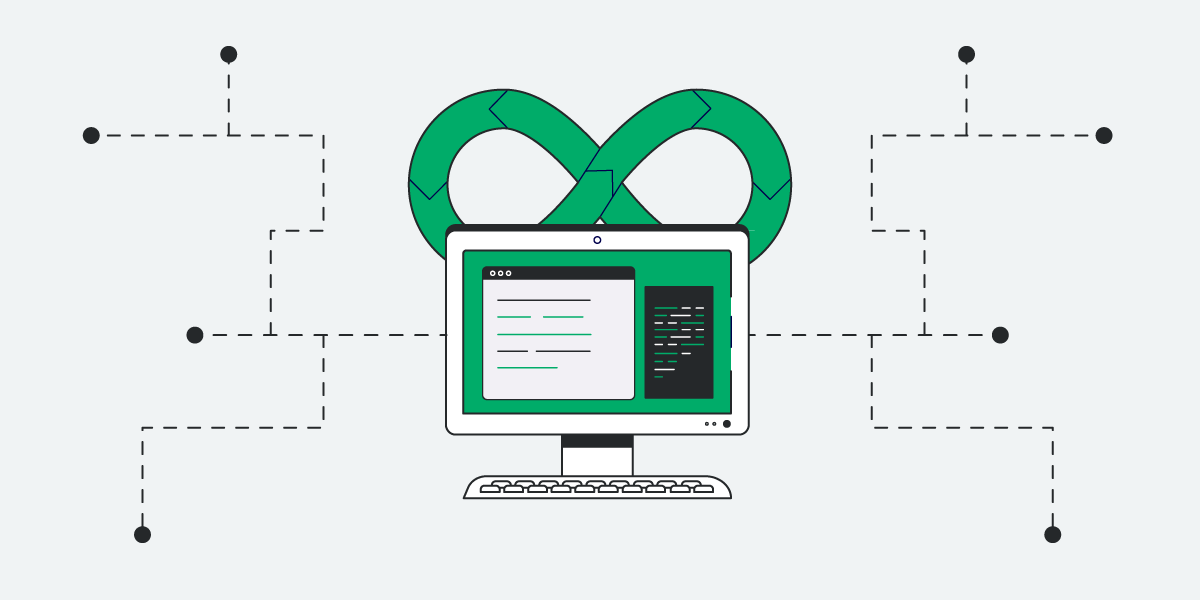
In any organization, endpoints (computers, laptops, servers, or devices that connect to the corporate network) are one of the most critical points of the technological infrastructure. Each one represents a potential entry point for daily operations but also for security threats. For this reason, cybersecurity increasingly discusses the endpoint lifecycle, an approach that allows organizations to understand, control, and protect each device from the moment it is configured through its ongoing operation.
The endpoint lifecycle is the complete process through which a device is configured, monitored, protected, and kept secure over time within an organization. This implies continuously managing what a secure endpoint should look like, verifying that it remains within that standard, and taking action when something deviates. It is a constant process that seeks to ensure that each device operates under the correct security conditions throughout its existence within the network.
To understand it, it is useful to observe its main components. The first element is the definition of the standard, where the organization establishes how an endpoint should be configured from the beginning. This includes the operating system, the necessary security tools, allowed configurations, and the policies that ensure the device can operate securely within the corporate environment.
The second component is the identification of vulnerabilities and misconfigurations. As endpoints operate, software is updated, users install applications, and configurations may change. This can generate deviations from the original standard. Detecting these variations, as well as vulnerabilities or pending patches, is a fundamental part of the lifecycle.
Another component is hardening and continuous compliance. As we have already seen in previous blogs, it is not enough to configure a device correctly just once; configurations must be verified constantly to ensure that the endpoint continues to comply with the defined security policies. This includes automated audits, configuration adjustments, and remediation actions that keep the device within the established standard.
Incident response is also part of the cycle. When an anomaly, threat, or suspicious activity occurs, the security team must be able to act quickly. This may involve installing or uninstalling software, tracking artifacts, isolating devices, or executing automated actions that contain the incident before it escalates.
Finally, the cycle is strengthened through intelligence and continuous analysis, where the data generated by endpoints helps prioritize risks, understand trends, and improve the organization’s overall security posture.
Managing this lifecycle correctly is essential because endpoints are often one of the most common attack vectors. Many security breaches occur due to misconfigurations, missing patches, or security tools that simply stopped working without anyone noticing. When an organization does not have full visibility over its endpoints, these problems can accumulate silently until they become costly incidents.
On the contrary, when the endpoint lifecycle is managed continuously, organizations reduce their attack surface, detect risks before they are exploited, and can make decisions based on real data about the state of their infrastructure. This transforms endpoint security from a reactive operation into a proactive posture focused on prevention.
To achieve this, Batuta is particularly useful, as it allows organizations to manage the complete endpoint lifecycle, centralizing in one place the capabilities needed to keep each device secure over time. Instead of relying on fragmented tools or manual processes, the platform allows security teams to continuously supervise every stage of the lifecycle.
Organizations can no longer afford to assume that everything is working correctly; it is essential not to assume and to verify continuously. Managing the endpoint lifecycle under this approach improves security while also reducing operational complexity and turning visibility into a strategic advantage for the business. Batuta applies precisely this principle, allowing organizations to know exactly what is happening on each endpoint, at all times, and to act before a breach turns into an incident.