Technology Risk Management: Protecting Your Business in the Digital Age
In 2024, the world witnessed the largest cyber blackout in history. This critical event paralyzed infrastructures across key sectors such as air transport, financial services, media, healthcare, and electronic payment systems, resulting in estimated economic losses of $5 billion. The lesson is clear: enhanced technological resilience and a robust risk management strategy are necessary.
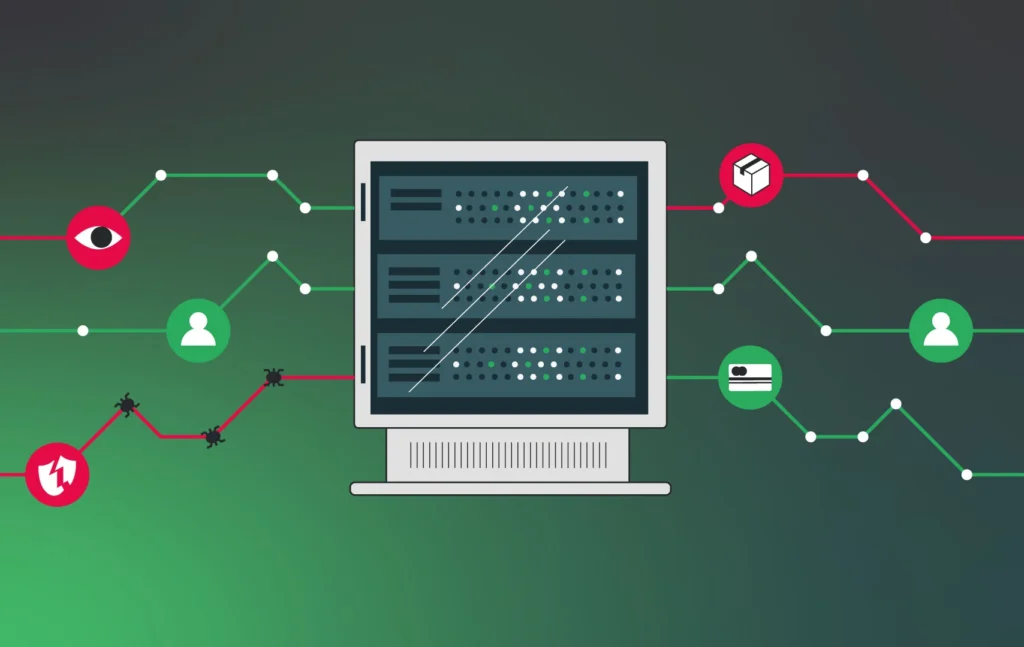
Technological risk encompasses the vulnerabilities associated with an organization’s information technology (IT), operational technology (OT), and communications technology (CT). Given that technology influences every aspect of an organization—from its physical and digital assets to its personnel, processes, and systems—managing these technological risks is essential.
Technological Risk Management (TRM) is a process that organizations use to identify, evaluate, mitigate, and monitor IT risks, including cybersecurity threats, system failures, data vulnerabilities, and potential compliance breaches.
According to the World Economic Forum’s Global Risk Report 2025, the most critical technological risks in the short and long term include misinformation, cyber espionage, and cyber warfare, highlighting the increasing complexity of today’s technological landscape. Here are several key concepts to consider:
Proactive Risk Identification
Effective risk management begins with the proactive identification of potential technological threats. This includes cyberattacks, system disruptions, infrastructure vulnerabilities, and other risks that may impact the organization. A thorough assessment of these risks is essential for an efficient and effective response.
Resilience Against Cyber Threats
Cyber threats are a constant reality. Technological risk management involves protecting against attacks and building resilience that enables quick recovery in the event of incidents.
Adoption of Emerging Technologies
The introduction of new technologies presents both opportunities and risks. Organizations must balance the adoption of emerging technologies with proper risk management, ensuring alignment with business objectives. This includes the continual updating of software and systems, as well as training and raising awareness among staff about best practices.
To prepare organizations for a disruptive future, it is vital to adopt resilience strategies. According to the World Economic Forum, companies must adapt to rapid digital advancements and climate threats through fundamental changes in structure and operations.
Key strategies include:
- Digital Transformation and Innovation: Embracing advanced technologies such as artificial intelligence, risk management platforms, and big data analytics to enhance efficiency and decision-making.
- Sustainability: Implementing sustainable practices that meet the demands of consumers and regulators.
- Collaboration: Encouraging collaboration between various stakeholders, including governments, businesses, and global organizations, to ensure innovative and sustainable solutions.
In summary, to effectively manage technological risk, it is essential to understand its nature, identify the affected areas, and agree upon appropriate categorization. With this foundation, significant steps can be taken to assess and manage risks, align priorities, and allocate necessary resources. For more information on this topic, please consult our latest e-book.
Related content
The Compliance Illusion: Compliance Does Not Mean Security
Passing an audit doesn't mean you're secure. Compliance is a snapshot; security is a living state that shifts every day. This post…
Why the endpoint remains the center of everything
Most security paths still end at the endpoint. Yet protection rarely starts with detection—it starts with control. This post explains why endpoint…

What You Should Really Measure in Cybersecurity (and What You Shouldn’t)
Having more alerts, dashboards, or tools does not mean having less risk. This post breaks down why most security posture metrics measure…