Avoid multimillion-dollar losses: the power of prevention in cybersecurity
January, 27, 2026
5 minutes read
By Alejandra Vázquez y María Fernanda Márquez
Today, cybersecurity is no longer an issue exclusive to the IT department. Any company, regardless of its size or industry, depends on digital systems to operate: email, cloud platforms, financial applications, customer data, and critical business processes. This dependence has turned organizations into constant targets for cybercriminals.
A cyberattack does not always appear as a major media crisis. In many cases, it begins with something as simple as a phishing email, a weak password, or an unpatched vulnerability. However, its consequences can be severe: operational disruptions, data loss, damage to the company’s reputation, regulatory penalties, and in the worst cases, complete business shutdown.
Traditionally, many organizations have approached cybersecurity reactively, acting only after an incident has already occurred. The problem with this approach is that once an attack has happened, the financial, operational, and reputational damage is already done.
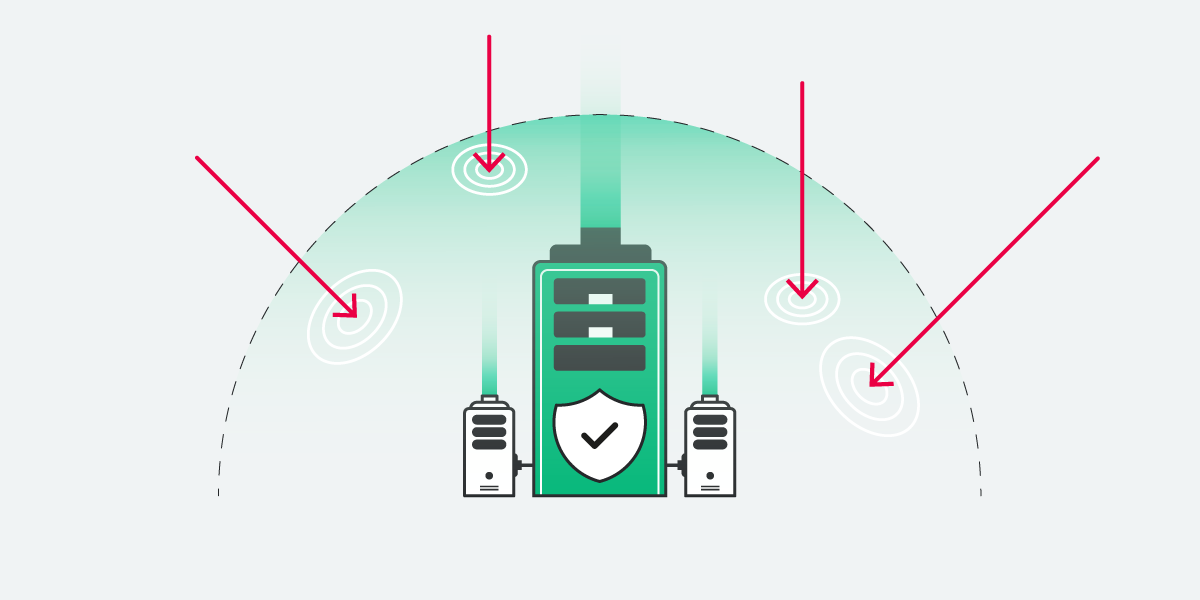
In contrast, a proactive cybersecurity approach seeks to anticipate threats, identify risks before they are exploited, and minimize the impact of a potential incident. This strategy not only strengthens security posture, but also saves time, money, and resources, allowing companies to focus on growth rather than crisis recovery.
Throughout this article, we will analyze—using data from the last five years—how much a company can save by investing proactively in cybersecurity, both financially and in operational time, and we will share practical recommendations for starting this journey effectively.
The average cost of a cyberattack in numbers (last 5 years)
- According to the “IBM Cost of a Data Breach Report 2024/2025,” the global average cost of a breach was USD 4.88M in 2024 and USD 4.44M in 2025.
- In some markets, including large enterprises, the average can rise to USD 15.4M per incident.
Growth trend of economic impact
- It is estimated that the global cost associated with cybercrime has more than tripled between 2015 and 2025, rising from USD 3 trillion to USD 10.5 trillion per year.
- Breach costs are not only high, but have increased year over year, indicating a landscape in which the economic impact of attacks shows no signs of slowing down.
Proactive vs. Reactive: How much does each approach cost you?
Example of a typical company (250 employees)
- Proactive (annual): USD 140,000
Includes training, protection, audits, and managed services.
- Reactive (after an attack): More than USD 1,350,000
Includes data recovery, downtime, fines, reputational damage, and recovery.
Immediate savings: More than 10× what would have been spent on prevention if the attack does not occur.
“For every USD 1 spent on prevention, you can save up to USD 100 in response costs if an incident occurs.”
Return on investment (ROI) in proactive cybersecurity
Quantifiable impacts
Reduction in breach costs:
- Companies with a proactive approach report savings of more than USD 2M per incident thanks to early detection and automation.
Response time and operational losses:
- Organizations with mature security contain incidents faster, reducing downtime and the associated costs.
Operational efficiency:
- Security-by-design architectures report 20–60% savings in staff and operational time, in addition to avoiding average breach costs of USD 5.17M.
Key insight: ROI does not only come from preventing an attack, but from reducing impact, lost time, and resources allocated to remediation.
Many companies still approach cybersecurity reactively, acting only after an incident. However, a proactive approach can make a significant difference in time, costs, and business continuity.
With the right tools and processes, it is possible to detect and contain threats at early stages, reducing response times from weeks or months to hours or days. This drastically decreases system downtime and prevents losses in productivity and revenue.
The economic impact is also clear. Proactive models show lower total costs in the medium term: over a three-year period, a preventive strategy may cost around USD 118,400, compared to USD 555,000 in organizations without security investment. In addition, according to IBM, companies with proactive security achieve 20% to 60% savings in operational efficiency and staff time.
Beyond money, a security breach affects trust. It is estimated that 65% of customers would stop doing business with a company after an incident. Added to this are potential multimillion-dollar fines for noncompliance with regulations such as GDPR or HIPAA.
Practical tips to save time and money by being proactive
- Automate detection and response
Continuously detect insecure configurations and risks before they escalate into incidents.
- Continuous employee training
Training is most effective when it focuses on areas with the greatest exposure: misuse of tools, unnecessary access, or poor practices identified in the environment.
- Continuous vulnerability management
Scanning, prioritizing, and remediating vulnerabilities before they are exploited reduces the cost of avoidable breaches.
- Well-rehearsed incident response plan
Having a plan that everyone understands shortens recovery times and reduces operational disruptions.
- Risk metrics and analysis
Measure your risks, prioritize what can have the greatest impact, and allocate budget efficiently.
Conclusion
Being proactive in cybersecurity is not an expense, but an investment with clear and measurable returns: lower risk of costly breaches, reduced response costs, savings in operational time, and greater customer trust.
In this scenario, Batuta enables proactive security in practice by offering continuous risk visibility, centralized control of the security stack, resource optimization, and savings in licenses and operational hours—all integrated in an agile and scalable way with existing tools.
The experience of recent years confirms it: preventing attacks before they happen not only protects critical assets, but also strengthens business continuity and turns cybersecurity into a strategic advantage.